August 18, 2026
Jud Smith
TL;DR: Fiber cement siding is a durable choice for Utah homes because it handles heat, cold, wind, moisture, pests, and fire better than many common materials. It costs more than vinyl upfront, but proper installation and routine care can make it a strong long-term investment.
Utah weather puts every home’s exterior to the test. For homeowners comparing fiber cement siding services, the main question is simple: will the siding stand up to hot summers, snowy winters, dry air, and strong canyon winds without constant repair?
Fiber cement siding is a strong choice for many Utah homes. It stays rigid through wide temperature swings and resists many of the weak spots found in wood and vinyl. It also comes in a range of fiber cement siding styles that suit homes from Provo to Sandy, Layton, and other Northern Utah communities.
The best siding choice depends on your budget, home style, and installation quality. Fiber cement stands out because it offers a long service life, excellent weather resistance, and proven durability. Those are the first things our team evaluates when assessing a home’s exterior.
At a Glance: Fiber cement siding is a strong option for Utah homes because it resists heat, cold, pests, moisture, and fire better than many common siding materials. Although it costs more than vinyl upfront, its long lifespan, stable structure, and manageable maintenance needs can make it a smart long-term investment.
How Fiber Cement Holds Up in Utah’s Temperature and Weather Swings
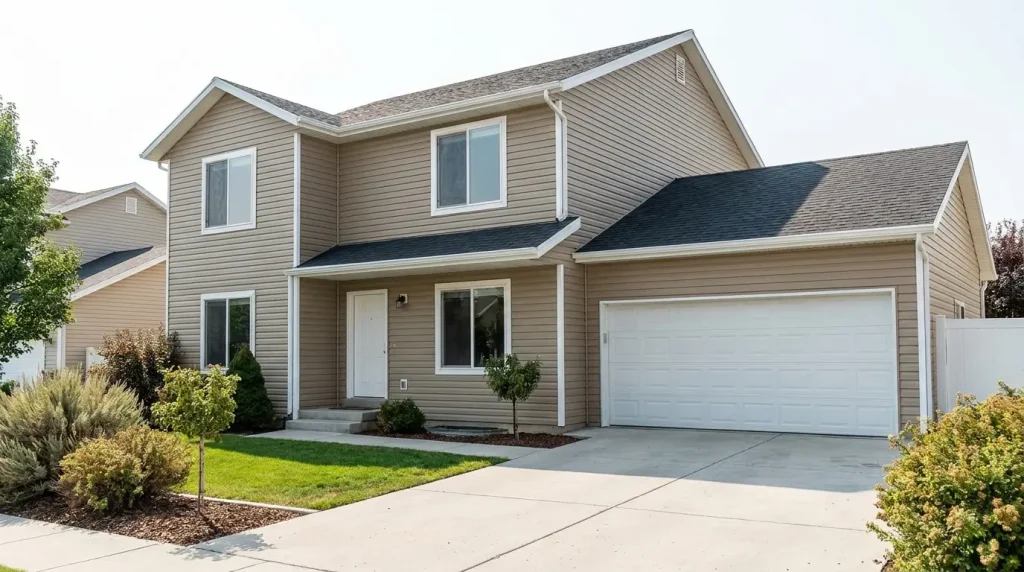
For homeowners comparing fiber cement siding Utah options, the material itself is the key. Fiber cement is made from cement, sand or silica, and cellulose fibers. That mix creates a dense board that does not soften in high heat like vinyl or rot like wood when moisture gets behind it.
Utah homes also face freeze-thaw stress. Snow melts, water moves into gaps, and cold nights can cause weaker materials to crack or shift. Fiber cement performs well when paired with proper gaps, flashing, and a sound wall barrier. Its rigid form also helps with high-elevation homes, where wind, snow, and dry air can strain exterior walls more than they would at lower altitude.
How It Works: Fiber cement stays more stable because its dense composition limits the movement, warping, and softening seen in some other siding materials. Proper flashing and spacing help it manage Utah’s freeze-thaw cycles.
Durability and Lifespan: What Homeowners Can Expect
With proper care and professional installation, fiber cement siding can provide decades of service. The material resists pests, does not attract termites, and offers strong fire resistance, making it a practical option for Utah homes near foothills, open lots, or areas exposed to dry conditions.
Fiber cement still requires routine care. Paint or factory-applied finishes can wear over time, and caulk joints should be checked periodically. Installation quality is one of the biggest factors affecting long-term performance. Correct fastening, flashing, underlayment, and clearance from roofs, soil, and decks help the siding manage moisture and reduce unnecessary stress on the boards.
What to Expect: Fiber cement is low maintenance, but it is not maintenance-free. Check caulk, paint, trim joints, and exposed edges each year so small issues can be corrected before moisture reaches the wall.
Fiber Cement Versus Vinyl Siding for Utah Homes
The choice between fiber cement and vinyl siding for Utah projects often comes down to upfront cost versus long-term value. Vinyl costs less at the start and works for many homes. Yet Utah heat can cause fading, warping, or loose panels, mainly on south and west walls that take heavy sun through the day.
Fiber cement siding durability shows up most clearly over time: it stays flatter and firmer than vinyl through repeated heat and cold cycles. It also gives homes a more solid look, with modern fiber cement siding styles that can suit new builds or older homes alike.
The table below gives a simple view of the trade-offs. See full vinyl siding options if budget is the driving factor for your project.
| Factor | Fiber cement siding | Vinyl siding |
| Upfront cost | Higher | Lower |
| Heat response | Stays rigid when installed right | Can warp or soften |
| Cold response | Strong in freeze-thaw cycles | Can get brittle in deep cold |
| Fire resistance | Strong | Lower |
| Upkeep | Paint and caulk checks | Wash and panel checks |
| Best fit | Long-term exterior upgrade | Budget-focused siding refresh |
Before You Decide: Vinyl may suit a lower upfront budget, while fiber cement may offer better value for homeowners planning to stay long-term. Compare durability, maintenance, appearance, and repair needs rather than price alone.
Installation and Proper Setup for Utah Weather Protection
Quality fiber cement siding installation services focus on the wall system, not just the siding boards themselves. In Utah, spring runoff, wind-driven snow, and fast temperature changes can expose weak points quickly. Flashing around windows, doors, rooflines, and deck ledgers helps direct water away before it reaches the wall. James Hardie’s installation guidance also emphasizes proper flashing and clearance requirements to help prevent water intrusion and protect the wall assembly.
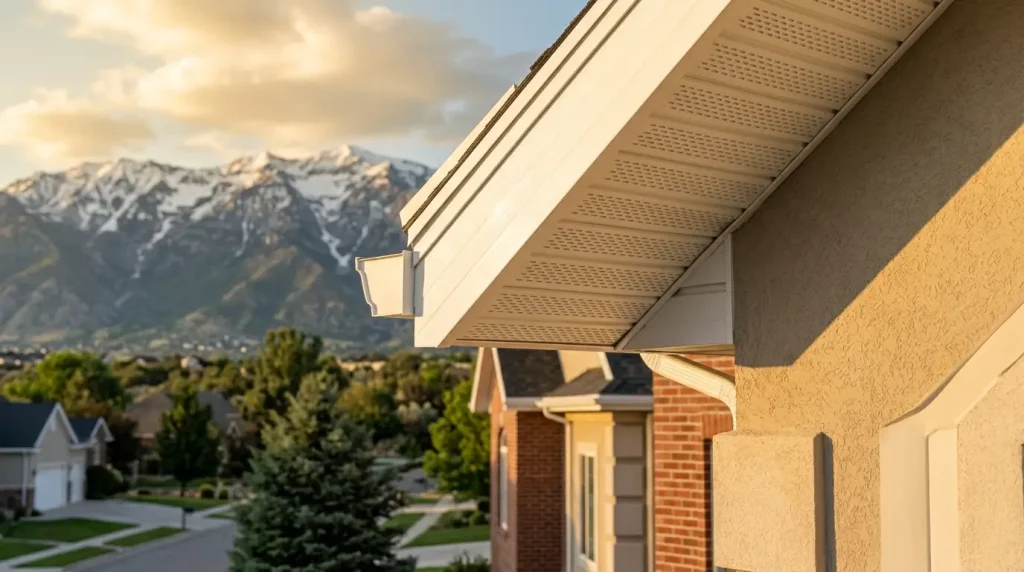
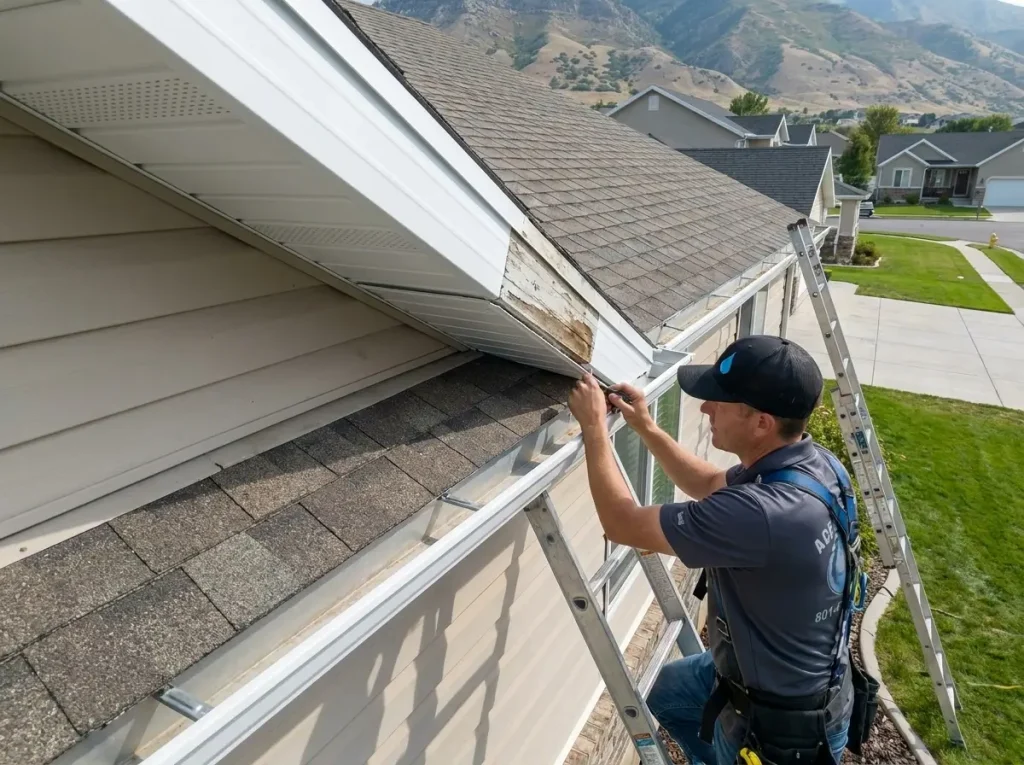
Fastening depth, joint spacing, and clearance are also key. Boards need room to move with heat and cold, but they should not sit loose. Soffit, fascia, and trim details should line up cleanly so wind does not push moisture behind the siding. Our soffit and fascia work often gets scoped alongside a siding project for exactly this reason. Local timing helps too, since extreme cold or high heat can affect caulk, paint, and seal points during install.
What to Look For: A proper installation should include correct flashing, board clearances, fastening depth, joint spacing, and sealed trim details. Missing any of these steps can shorten siding life and allow water behind the exterior.
Cost and Return on Investment for Utah Homeowners
For fiber cement siding cost Utah planning, homeowners should expect a higher price than vinyl and a lower price than many premium wood options. Final cost depends on home size, wall height, tear-off needs, trim detail, finish type, and access around the property.
The value comes from service life and fewer repair cycles. Fiber cement can keep its form and curb appeal longer than lower-cost siding in harsh sun. For Utah homeowners planning to stay in a home for many years, the lower upkeep and stronger weather performance may offset the higher first cost.
What to Keep in Mind: Fiber cement may cost more at the beginning, but it can last longer and hold its appearance better. Proper installation helps protect that value.
Invest in Siding Built for Utah’s Climate
Fiber cement siding offers a strong mix of benefits: weather resistance, low upkeep, and long service life for Utah homes. It performs well against heat, snow, wind, pests, and moisture when the wall system is set up with care. That makes it a practical choice for many homeowners who want siding that lasts beyond one season of harsh weather.
The best results come from matching the material with proper flashing, spacing, fastening, and finish care. Before gathering quotes, homeowners should compare product details, wall prep steps, and install methods, not just the final price.
Ready to invest in siding built for Utah’s climate? Contact us today for a free estimate.
Common Questions About Fiber Cement Siding in Utah
Does fiber cement siding crack or fail faster in extreme cold or heat?
Fiber cement generally performs well through Utah’s heat and cold when installed correctly. The material is dense and stable, so it resists the warping seen in some vinyl products. Problems are more likely when boards are fastened too tight, placed too close to rooflines, or installed without correct flashing.
How often does fiber cement siding need to be painted or sealed in Utah?
Fiber cement siding may need repainting or finish work every several years, based on sun exposure, product finish, and home location. South and west walls age faster because they take more sun. Annual checks of caulk lines, trim joints, and exposed edges help catch small wear before moisture becomes a larger issue.
Is fiber cement siding worth the cost compared to vinyl in Utah?
Yes, fiber cement can be worth the added cost for homeowners who want a long-term siding choice. Vinyl is easier on the budget at first, but heat, sun, and cold can shorten its clean look over the years. Fiber cement tends to hold its form longer, which can support curb appeal and reduce repeat repairs.
What’s the most common problem Utah homeowners face with fiber cement siding?
The most common problem is poor installation detail, not the material itself. Low clearances, missed flashing, tight joints, and weak caulk can let water reach areas it should not. Utah’s snowmelt and wind can make those flaws show faster, so setup quality counts from day one.

Need Help? Get a free assessment
Get a call back within 1 hour
(During business hours).
Recent Posts
When Is the Best Time of Year to Replace Siding in Utah?
Modern Exterior Siding: How to Plan a Siding Upgrade That Improves Protection, Style, and Home Value
What Makes Fiber Cement Siding a Strong Option for Utah Homes?

Expert Siding Installation Services: How to Choose the Right Siding Material For Your Home

A Complete Guide to Maintaining Your Vinyl Siding
Share
Recent Posts
When Is the Best Time of Year to Replace Siding in Utah?
September 2, 2026
TL;DR: The best time to replace siding in Utah is typically spring (April to June) and early fall (September to October) when temperatures...
Modern Exterior Siding: How to Plan a Siding Upgrade That Improves Protection, Style, and Home Value
August 25, 2026
A siding upgrade starts with understanding the damage, choosing the right material, and hiring a contractor who does the job properly. Siding isn’t...
What Makes Fiber Cement Siding a Strong Option for Utah Homes?
August 18, 2026
TL;DR: Fiber cement siding is a durable choice for Utah homes because it handles heat, cold, wind, moisture, pests, and fire better than...