
August 25, 2026
Jud Smith
A siding upgrade starts with understanding the damage, choosing the right material, and hiring a contractor who does the job properly.
Siding isn’t just about appearance. The right materials help Utah homes withstand sun, snow, wind, and temperature swings.
This guide compares today’s modern exterior siding options, walks through siding styles for homes built for Utah’s climate, and shows homeowners how to vet professional siding contractors before signing anything.
Quick Answer: A worthwhile siding upgrade fixes damage, improves weather protection, and supports long-term home value. Material quality and proper installation both affect how long the results last.
Assess Your Home’s Current Condition and Performance Gaps
Start with a slow walk around the house. Look for cracked panels, loose boards, fading, soft spots, moisture stains, mold, and gaps near windows or trim. South and west walls tend to show sun wear first, a common pattern on Utah homes in sun-heavy neighborhoods, while roofline areas may show damage tied to snow, ice, or poor drainage.
Damage does not always mean full replacement is needed. A few loose panels may call for repair. Widespread warping, rot, or water entry may point to a larger issue. Flashing, ventilation, and drainage should be checked before new siding goes on the wall, because siding alone will not fix problems rooted in those systems.
Signs To Watch For: Damage across several walls, recurring moisture stains, soft sheathing, or gaps around windows may signal a problem beyond simple panel repair. These signs should be inspected before new siding is installed.
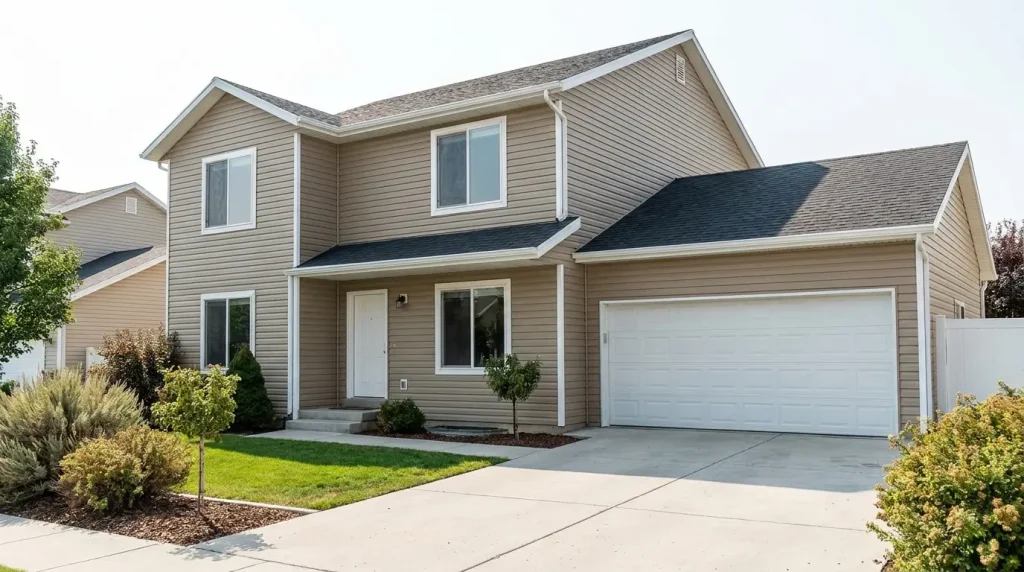
Choose a Material That Performs in Utah Weather Without Constant Maintenance
| Material | Upfront Cost | Maintenance | Utah Weather Performance | Best For |
| Vinyl | Low | Low, occasional cleaning | Can fade under strong sun or turn brittle in extreme cold | Budget-conscious homeowners |
| Fiber Cement | Mid to high | Low, periodic cleaning | Strong resistance to heat, pests, moisture, and temperature swings | Homeowners prioritizing durable exterior siding |
| Engineered Wood | Mid | Moderate, periodic sealing | Better moisture resistance than older wood products | Homeowners who want a wood-look finish with less upkeep |
Vinyl vs. Fiber Cement
Vinyl siding is cost-effective and low maintenance. It works well for many homes, but it may fade under strong sun or turn brittle during extreme cold. Homeowners drawn to vinyl siding should review panel thickness, warranty terms, and color-fade coverage before choosing it.
Fiber cement costs more upfront, yet it offers strong resistance to heat, pests, moisture, and temperature swings, along with a longer lifespan. In Utah, lifespan, warranty coverage, and real upkeep should carry more weight than price alone.
Engineered Wood
Engineered wood gives a wood-look finish with better moisture resistance than many older wood products. It sits between vinyl and fiber cement on both cost and durability, which makes it a middle-ground pick for homeowners who like the wood aesthetic but want less upkeep than solid wood siding.
Which Siding Fits Your Home Best?
Vinyl works well for lower budgets, fiber cement is better for long-term durability, and engineered wood suits homeowners who want a natural look with less upkeep. Your choice should reflect your budget, maintenance preference, and how much sun, snow, and wind your home receives.
Define Your Style and Color Strategy to Match Your Home and Neighborhood
Curb appeal affects both daily satisfaction and resale value. A mountain-style home near Ogden may suit a different color plan than a newer subdivision home in Lehi. Bold colors can look sharp, but highly personal choices may limit buyer interest later. Homeowners exploring siding design ideas should think about how a color plan reads from the street, not just up close.
Color also affects heat and upkeep. Lighter colors reflect more heat but may show dust and dirt. Darker colors can absorb more heat in high-sun areas. Plan trim, soffit, fascia, and accent colors early so the finished exterior looks planned rather than pieced together.
Tip: View large siding samples outside in both sunlight and shade. Compare them with your roof, trim, and nearby homes before choosing the final color.
Factor in Long-Term Value and ROI Before Committing
Siding upgrades can return about 60% to 80% of project cost at resale, based on broad market data. The return can rise when the project solves real problems, such as failing siding, water entry, or poor weather resistance. Cosmetic updates alone may bring a lower return.
Installation quality has the same weight as material choice. Poor fastening, weak flashing, or ignored expansion gaps can shorten siding life. A higher-grade material loses value if installed poorly. A clear scope, sound wall prep, and proper ventilation help protect the full investment.
Think Long Term: Consider maintenance, repairs, repainting, warranty coverage, and expected lifespan alongside the installation price. Durable siding installed correctly may provide stronger long-term value.
Find and Vet a Siding Contractor You Can Trust
Local experience matters in Utah. A contractor should understand snow loads, wind-driven rain, dry summer heat, and thermal movement. Exterior siding contractors who work in Northern Utah year-round tend to catch climate-specific issues that out-of-state crews miss.
Contractor Vetting Checklist
Before signing with any siding installation company in Utah, confirm they can provide:
- Proof of active licensing and insurance
- Local references or recent project photos from homes with similar siding needs
- Manufacturer certifications for the specific material you’re installing
- A written scope that lists material, labor, trim, flashing, disposal, and repair allowances
- A clear explanation of how they handle flashing and ventilation
- Warranty terms in writing, covering both material and workmanship
- Written details covering cleanup and disposal responsibilities
Warning Signs of a Bad Estimate
Watch for these red flags before you sign anything:
- A bid that lists only a total price with no breakdown by material, labor, or trim
- No mention of flashing, ventilation, or expansion gaps unless you ask first
- Pressure to sign the same day, or pricing that’s only good “today”
- No proof of insurance offered without being asked
- A price that’s far below every other bid you’ve collected, with no explanation
Good estimates list material, labor, trim, flashing, disposal, and repair allowances. Vague bids make it harder to compare options. Skilled professional siding contractors discuss ventilation, ice dam flashing, and expansion gaps without being asked, since those details affect long-term performance. Our complete siding solutions team walks through each of these details before work begins.
What to Look For: Choose a contractor who provides clear pricing, proof of licensing and insurance, relevant local experience, and written warranty details. They should also explain how flashing, ventilation, cleanup, and unexpected repairs will be handled.
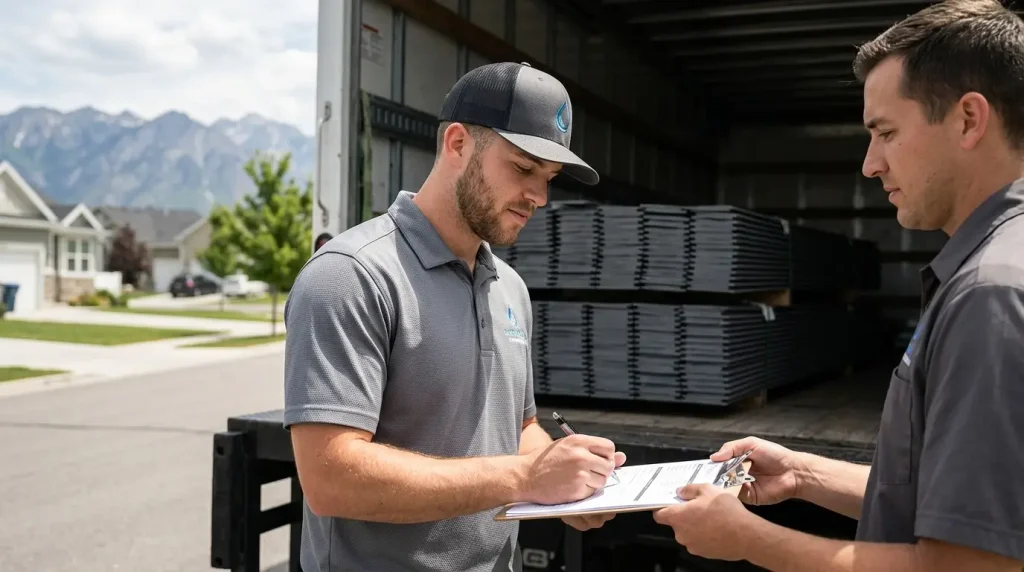
Plan the Timeline, Budget, and Project Scope Clearly
Plan for a two- to six-week scheduling buffer before work starts, with more time during peak spring and fall seasons. Weather can shift fast in Northern Utah. Winter storms may stop work, while extreme summer heat can slow crews and affect some materials.
Set the scope before signing. Decide whether soffit, fascia, trim, flashing, and hidden damage repairs are included. A budget should leave room for sheathing repairs or water damage found after old siding is removed. Clear scope helps prevent cost shock, whether you’re chasing specific siding upgrade ideas or planning a full re-side.
What To Expect: Removing old siding may reveal moisture damage, weak sheathing, or failed flashing that was not visible earlier. Confirm how additional repairs will be priced and approved before work starts.
Planning a Siding Upgrade That Delivers Long-Term Value
A well-planned siding upgrade protects the home, refines its style, and supports long-term value. The best results start with a clear review of current damage, smart material choices, a color plan that fits the home, and a contractor with local weather knowledge.
Utah homeowners benefit from siding plans that account for heat, snow, wind, and seasonal change. Ace Siding Utah works within that local context as one contractor focused on Utah exterior conditions. The next step is to review the home’s weak points, compare material choices, and gather clear estimates.
Want to discuss your siding project with our team? Contact us for a free estimate and expert guidance on modern exterior siding specific to your home’s needs.
Frequently Asked Questions
Does upgrading siding increase home value?
Yes, upgrading siding can increase home value when the project improves protection, appearance, and buyer confidence. National remodeling data shows many siding projects recover a large share of their cost at resale. The best returns tend to come from projects that correct visible wear or weather damage.
What is the best siding material for Utah weather?
Fiber cement is a strong option for Utah because it resists heat, pests, moisture, and temperature swings. Vinyl can work well for budget-focused projects. Engineered wood suits homeowners who want a wood look with better resistance than older wood siding.
How long does a siding upgrade take?
Many siding upgrades take several days to two weeks once work begins. Larger homes, custom trim, repairs, or bad weather can add time. Homeowners should also plan for material lead times and contractor schedules before the project start date.
How do I know if I need siding repair or full replacement?
Repair may be enough when damage is limited to one area. Full replacement may be smarter when siding is warped, cracked, loose, or failing across several walls. Moisture stains, mold, or soft sheathing call for a deeper inspection before any decision.
Should I hire a siding contractor or a general contractor?
A siding specialist may have more experience with material-specific installation requirements, while a general contractor may be better suited to coordinating a larger renovation. In either case, ask who will perform the installation and verify their experience with the chosen material.
What should be included in a siding installation estimate?
A complete estimate lists the material and labor cost, trim and flashing work, disposal of old siding, any expected repair allowances, warranty terms, and the project timeline. If any of these are missing, ask the contractor to add them before you sign.

Need Help? Get a free assessment
Get a call back within 1 hour
(During business hours).
Recent Posts
What Siding Installation Mistakes Can Lead to Water Damage?
When Is the Best Time of Year to Replace Siding in Utah?
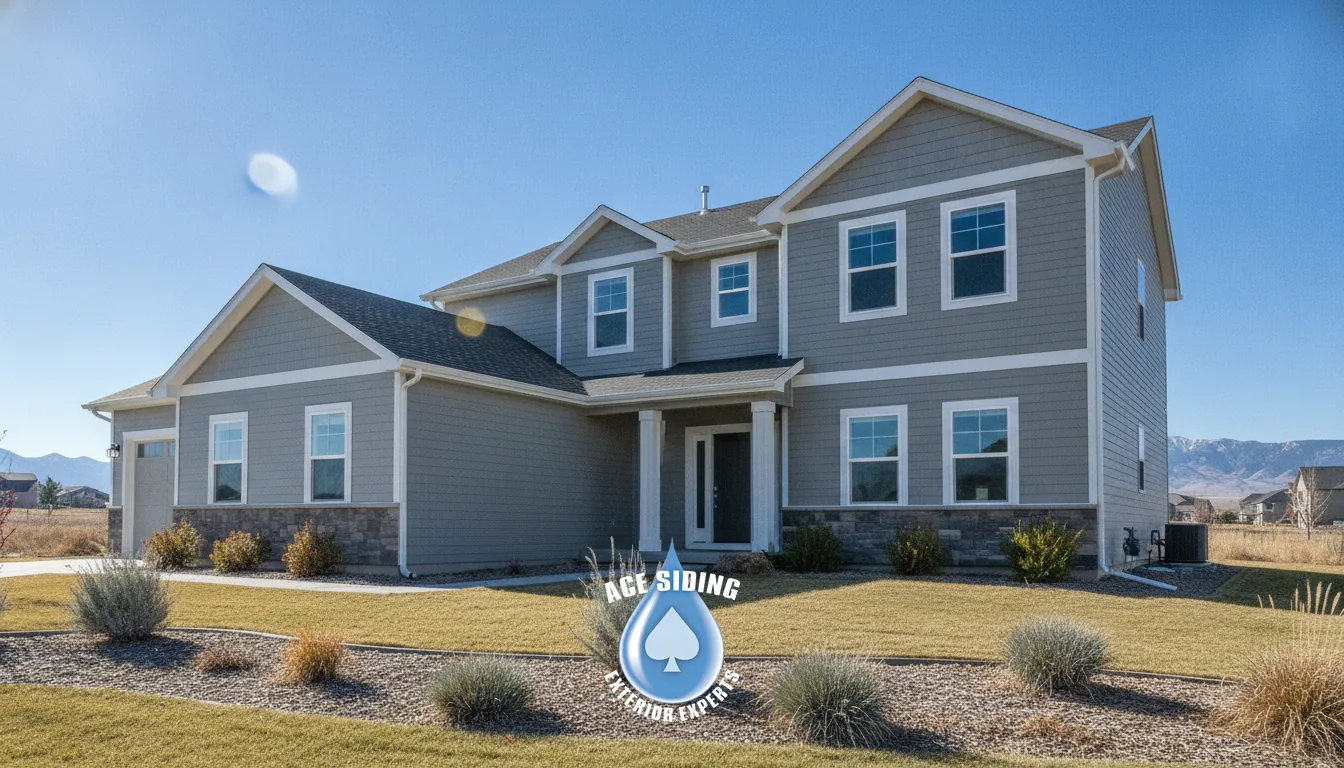
Modern Exterior Siding: How to Plan a Siding Upgrade That Improves Protection, Style, and Home Value
What Makes Fiber Cement Siding a Strong Option for Utah Homes?

Expert Siding Installation Services: How to Choose the Right Siding Material For Your Home
Share
Recent Posts
What Siding Installation Mistakes Can Lead to Water Damage?
September 8, 2026
TL;DR: Proper siding installation helps protect your home by controlling how water moves around the exterior wall system. Common installation mistakes involving flashing,...
When Is the Best Time of Year to Replace Siding in Utah?
September 2, 2026
TL;DR: The best time to replace siding in Utah is typically spring (April to June) and early fall (September to October) when temperatures...
Modern Exterior Siding: How to Plan a Siding Upgrade That Improves Protection, Style, and Home Value
August 25, 2026
A siding upgrade starts with understanding the damage, choosing the right material, and hiring a contractor who does the job properly. Siding isn’t...