
July 28, 2026
Jud Smith
TL;DR:
Before hiring a Utah siding contractor, verify licensing, insurance, local experience, warranties, and references. Compare bids by materials, preparation, labor, and cleanup rather than price alone. A detailed contract helps prevent hidden costs, poor installation, and future exterior problems.
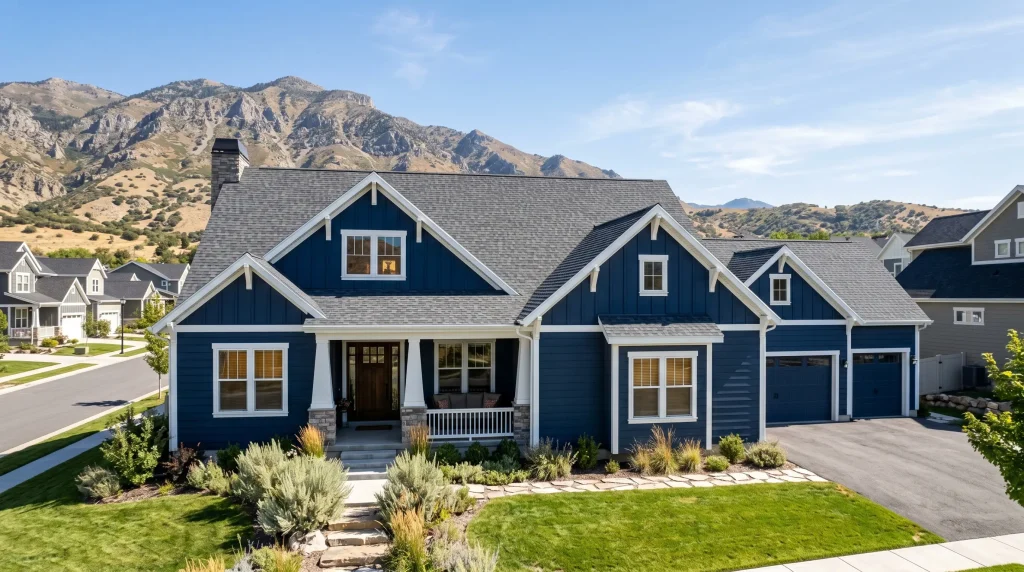
Hiring a siding contractor is a major decision for Utah homeowners. Your home’s siding is its first line of defense against the elements and a primary driver of its curb appeal and resale value.
In Utah, where the weather can swing from scorching summer heat to freezing, snow-packed winters, choosing the right siding and the right team to install it is absolutely critical.
A siding replacement is an investment that should last for decades. However, the success of your project depends heavily on the preparation you do before signing a contract.
This guide outlines the key considerations every Utah homeowner needs to know, including contractor qualifications, local material selection, cost factors, and common pitfalls to avoid.
We’ll cover:
- What to verify for professional installations
- How to choose the right material for your siding installation
- Common pitfalls customers should avoid
- How to hire experienced professionals to enhance your home’s exterior
Verifying Contractor Qualifications in Utah
You should never hire a contractor based on a low estimate alone. A properly installed siding system requires specialized skills, particularly when dealing with Utah’s unique climate challenges.
When vetting potential siding contractors in Utah, you must verify their professional qualifications to protect your home, your budget, and the quality of the project.
Licensing
The contractor should hold an active license with the Utah Department of Commerce Division of Professional Licensing (DOPL). Utah homeowners can verify a contractor’s license through DOPL before signing a contract. A valid license shows the contractor has met state standards and carries the appropriate classification for exterior siding or related construction work.
Insurance Coverage
Before work begins, ask for proof of both general liability insurance and workers’ compensation insurance. General liability insurance can help cover accidental damage to your home, while workers’ compensation insurance helps protect you from liability if a worker is injured on your property.
Local Experience
Utah’s climate demands specific installation techniques. For example, siding material expands and contracts intensely between a freezing January night in Salt Lake City and a triple-digit July afternoon in St. George, as the Polymeric Exterior Products Association (PEPA) points out.
Contractors who understand local building codes and regional weather patterns will install siding solutions with the precise spacing required to prevent warping, buckling, or blowing off in high canyon winds, so you get long-lasting results.
Before You Hire:
- Active Utah contractor license
- Current insurance coverage
- Recent local references
- Written workmanship warranty
- Detailed project scope
Choosing the Right Siding Material for the Utah Climate
Utah homeowners have several high-quality siding material choices, but each reacts differently to the state’s dry air, intense UV rays, and heavy snowfall. Selecting the right material requires balancing appearance, budget, performance, and long-term durability.
Vinyl Siding
Vinyl siding installation remains a popular, cost-effective choice in Salt Lake County. It is low-maintenance, never needs painting, and comes in a wide variety of colors to add to your home’s curb appeal.
However, low-grade vinyl can become brittle in Utah’s freezing winters and may crack if struck by hail or a stray baseball. If you choose vinyl, opt for high-quality, insulated vinyl siding that offers better thermal performance and impact resistance.
James Hardie (Fiber Cement) Siding
Fiber cement is widely considered the gold standard for Utah homes.
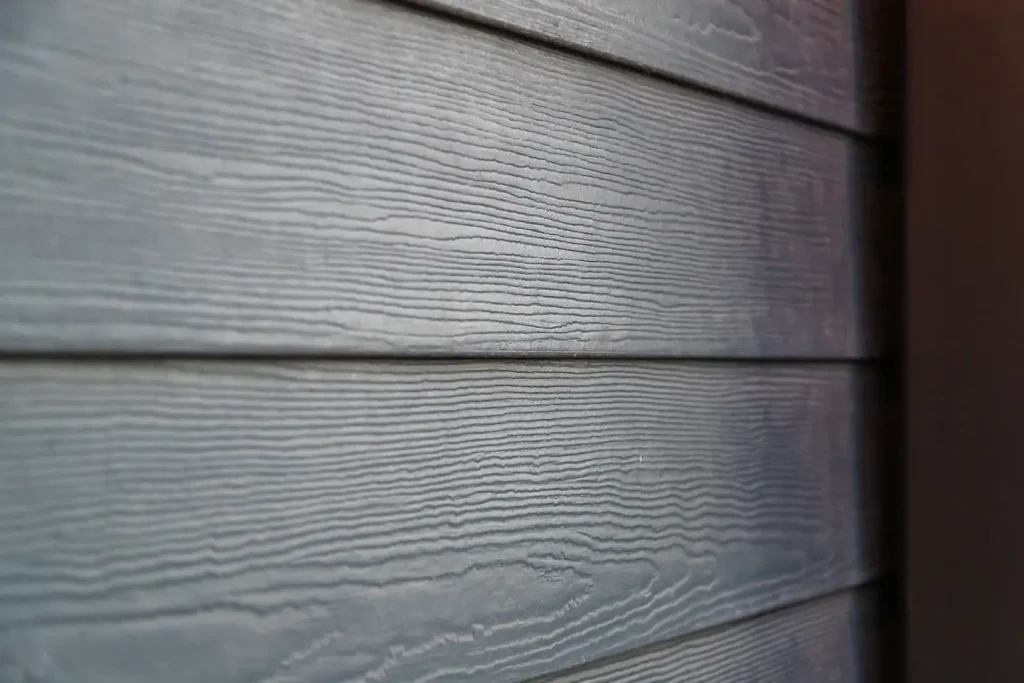
Made from a blend of cement, sand, and cellulose fibers, it is incredibly durable, providing strong fire-resistant performance for homes near Utah’s wildfire-prone foothills. It is also impervious to rot and wood-boring insects.
It mimics the look of real wood beautifully and holds up exceptionally well against intense high-altitude UV radiation without fading rapidly. As such, it can complement the rest of your exterior.
Engineered Wood Siding
Engineered wood siding, such as LP SmartSide, combines the natural beauty of wood with advanced manufacturing processes that resist moisture, fungal decay, and termites because it is treated. It is lighter and easier to install than fiber cement while offering excellent impact resistance against severe mountain storms.
Metal (Aluminum or Steel) Siding
Metal siding is gaining traction in modern Utah architecture. It provides a sleek, contemporary aesthetic, is highly fire-resistant, and requires little maintenance.
Steel siding is exceptionally tough and won’t crack in the winter, though it represents a higher upfront investment.
Quick Comparison:
Siding Material Best For Key Benefits Keep in Mind Vinyl Budget-conscious homeowners Low maintenance, many styles, insulated options Lower-grade products may crack in extreme cold Fiber Cement Long-term durability Fire resistant, rot resistant, strong UV performance Requires skilled installation Engineered Wood Natural wood appearance Lightweight, impact resistant, treated against pests Needs proper sealing and moisture control Metal Modern homes and fire-prone areas Durable, low maintenance, fire resistant Higher upfront investment
Understanding Siding Cost Factors
When planning your budget, it helps to understand exactly what drives the cost of a siding project. A professional estimate should break down several key components.
- Material Selection: Vinyl is generally the most affordable option, followed by engineered wood, fiber cement, and premium metals or natural cedar.
- Square Footage and Architecture: A single-story ranch is far simpler and less expensive than a multi-story home with steep gables, dormers, and angles.
- Tear-Off and Disposal: If your old siding is damaged or rotting, it must be completely removed and hauled away.
- Underlayment and Insulation: High-quality house wrap (like Tyvek) and rigid foam insulation boards add to the initial cost but pay dividends over time.
What to Compare: Compare what’s included in each estimate, not just the total price. Materials, insulation, tear-off, and installation details can significantly affect the overall value.
Common Pitfalls to Avoid When Hiring a Contractor
If you want a smoother renovation experience, keep an eye out for these common pitfalls that catch many homeowners off guard.
Choosing Based Solely on the Lowest Bid
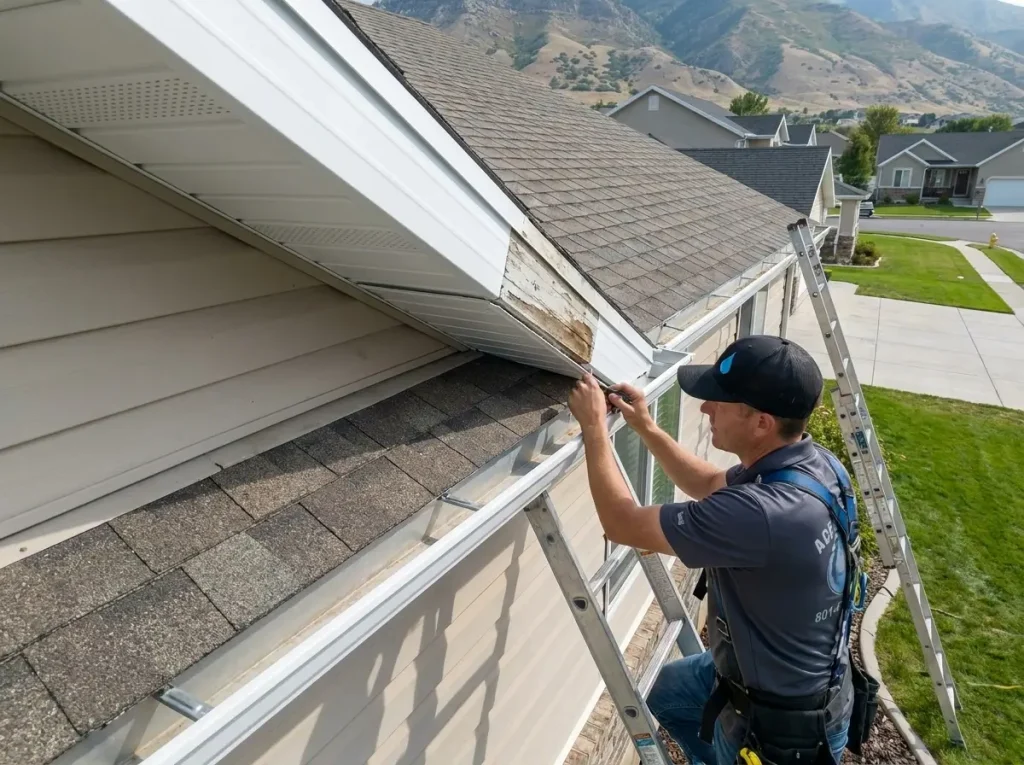
A suspiciously low bid usually means the company is cutting corners, either by using subpar materials, employing untrained labor, or lacking proper insurance for the job. These upfront savings frequently evaporate when the siding begins to warp, leak, or blow away a few years down the line.
Failing to Get Everything in Writing
Never rely on verbal agreements. A professional contract should explicitly detail the scope of work, the exact brands and colors of materials being used, the estimated start and completion dates, waste clean-up protocols, and a clear payment schedule.
Overlooking the Warranty
Always clarify what warranties apply to your project. There are two separate types: the manufacturer’s warranty (which covers defects in the siding material itself) and the contractor’s workmanship warranty (which covers errors made during installation).
Check if your contractor provides a robust workmanship warranty, showing they stand behind the quality of their labor.
Ignoring Online Reviews and References
Always check a contractor’s reputation before signing. Look for consistent patterns in online reviews on Google and similar sites.
Ask the contractor for a list of recent local references. A reputable local business will be proud to share examples of their completed work in your neighborhood.
Before You Sign: Review the contract carefully, ask questions about anything that’s unclear, and make sure every promise is documented in writing.
Partner with Ace Siding for Your Utah Home
Investing in new siding is one of the smartest ways to protect your property, elevate its visual appeal, and improve energy efficiency. By verifying contractor credentials, choosing a material suited for Utah’s diverse climate, and demanding a transparent, written contract, you can rest easy during your renovation project.
If you are looking for dependable, highly skilled siding contractors in Utah, look no further than Ace Siding.
Our team brings years of local experience, top-tier materials, and an unwavering commitment to craftsmanship to every home we touch. We understand the unique architectural styles and climate demands of the Beehive State, so your new siding is built to look great and stand strong for years to come.Ready to transform your home’s exterior? Contact Ace Siding today to schedule your comprehensive, free consultation and estimate!
FAQs About Hiring a Siding Contractor in Utah
How many siding estimates should I get before choosing a contractor?
Getting two or three detailed estimates gives you a clearer view of local pricing, material options, and project scope. Compare what each bid includes rather than choosing the lowest total. One estimate may exclude old siding removal, house wrap, repairs, trim, permits, or cleanup.
Should I pay a siding contractor the full amount upfront?
No reputable contractor should require full payment before work begins. A reasonable payment plan may include a deposit, progress payments tied to completed stages, and a final balance after inspection. The amounts, deadlines, and conditions should appear clearly in your written contract.
Who is responsible for permits during a siding project?
Contractors commonly obtain required permits, though the contract should state who will apply and pay for them. Ask for confirmation before work begins. Permit requirements can vary by city, project size, structural repairs, and changes made around windows, doors, soffits, or exterior insulation.
What questions should I ask a contractor’s past customers?
Ask whether the crew arrived as scheduled, protected the property, communicated clearly, followed the quoted price, and cleaned the site. You should also ask whether any problems appeared later and how the contractor responded. Recent Utah projects provide the most useful comparison.
How can I tell whether a siding estimate is detailed enough?
A complete estimate should name the siding brand, product line, color, square footage, insulation, house wrap, trim, flashing, tear-off work, repairs, disposal, labor, warranties, and payment schedule. Broad descriptions such as “install new siding” leave too much room for added charges or substitutions.

Need Help? Get a free assessment
Get a call back within 1 hour
(During business hours).
Recent Posts
What Siding Installation Mistakes Can Lead to Water Damage?
When Is the Best Time of Year to Replace Siding in Utah?
Modern Exterior Siding: How to Plan a Siding Upgrade That Improves Protection, Style, and Home Value
What Makes Fiber Cement Siding a Strong Option for Utah Homes?

Expert Siding Installation Services: How to Choose the Right Siding Material For Your Home
Share
Recent Posts
What Siding Installation Mistakes Can Lead to Water Damage?
September 8, 2026
TL;DR: Proper siding installation helps protect your home by controlling how water moves around the exterior wall system. Common installation mistakes involving flashing,...
When Is the Best Time of Year to Replace Siding in Utah?
September 2, 2026
TL;DR: The best time to replace siding in Utah is typically spring (April to June) and early fall (September to October) when temperatures...
Modern Exterior Siding: How to Plan a Siding Upgrade That Improves Protection, Style, and Home Value
August 25, 2026
A siding upgrade starts with understanding the damage, choosing the right material, and hiring a contractor who does the job properly. Siding isn’t...